


If you have a gluten free sourdough starter (whether you made it from scratch using my gluten free sourdough starter recipe or purchased one) keeping it alive and healthy is the key to baking delicious gluten free sourdough bread. This guide walks you through everything you need to know about feeding and maintaining your gluten free sourdough starter, including daily maintenance, how to store it in the refrigerator when you need a break, and how to troubleshoot common problems along the way.
Feeding and maintaining a gluten free sourdough starter is a rewarding process that supports flavorful, naturally fermented baking without gluten. If you're a beginner, this method offers a simple, step-by-step approach to creating a strong, active gluten free sourdough starter from scratch.
With the right sourdough starter feeding ratio and consistent care, you can build a thriving culture that forms the base for homemade sourdough bread and other recipes. This guide focuses on sourdough starter for beginners and provides easy, manageable instructions for keeping your starter healthy and active.

Jump to:
Supplies You Will Need
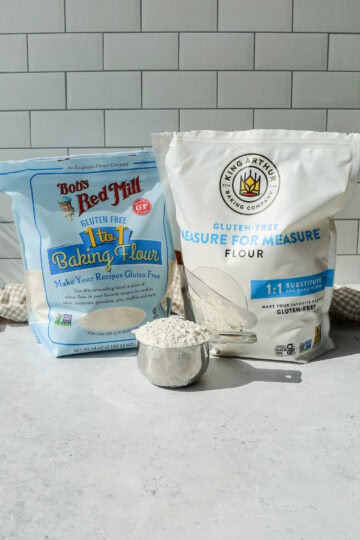
Gluten Free Flour - My favorites are King Arthur's Measure for Measure Gluten Free Flour and Bob's Red Mill 1-to-1 Baking Gluten Free Flour.
Hot Water - the water needs to be hot, but not so hot you can't put your hand under it. So, slightly warmer than hot bath water. If you use water that is too hot you could kill the fermentation process.
32 ounce Wide Mouth Glass Jar - my favorite is the Ball 1 Quart Canning Jar.
Rubber Band or Dry Erase Marker - You need something to mark where the starter is at in the jar after you add to it so you can make sure it starts to grow. By the seventh day you should be seeing it bubble above your marker on the jar.
Spatula - You need to get the starter out of the jar, add to it, stir it and wipe down the inside of the jar so you can see fermentation happening.
Simple Sourdough Starter Instructions
If you already have a sourdough starter, skip the maintenance instructions below.
Making a gluten free sourdough starter is really simple, but requires daily attention. If you are going to be away or too busy that is not the time to take on making your starter. But, if you have a small amount of time each day you can make your own starter and being enjoying gluten free sourdough bread.
I list everything you will need out in detail in my gluten free sourdough recipe, but here's a quick breakdown:
- Put gluten free flour and hot water in one quart jar.
- Stir the flour and water until combined.
- Sit a lid on top or use a coffee filter and rubber band so it can breathe.
- Put the jar in a warm place that is around 70-74 degrees.
- Everyday at the same time discard half the starter and add ⅓ cup flour and ⅓ cup hot water. This will take about 6 days for you to start seeing fermentation.
- On the seventh day place half the starter in a container in the fridge.
- Add ⅓ cup flour and ⅓ cup hot water to your starter.
- On the 8th day place half the starter in a container in the fridge.
- Add ⅓ cup flour and ⅓ cup hot water to your starter.
- Place the discard container from your fridge on the counter to bring back up to room temperature. This sourdough starter is now ready to bake with. Yay!
Sourdough Starter Maintenance Instructions
Your gluten free sourdough starter needs to be maintained daily unless you put it in the refrigerator to rest. Maintaining your starter is simple and just takes a few minutes each day.
Start by removing half the starter. Then, add flour and hot water back in. Stir the starter, flour and water until completely combined. Place the lid on the jar (don't tighten it) or put your coffee filter and rubber band over the jar. Place a rubber band or mark with a dry erase marker where the starter is on the jar.
The next day when you go to repeat these maintenance steps you should see that the starter has bubbled up with fermentation above your marker on the jar. If that isn't happening yet then you must discard the half of the starter you take from the jar.
A starter that isn't bubbling up above your marker hasn't started the fermentation process yet and won't allow your bread to rise.

How To Maintain Sourdough Starter In Fridge
When you get to a point when you want to take a break from feeding and caring for your gluten free sourdough starter daily you can place it in your fridge. I leave mine in the same jar, but screw the lid down and then place in the refrigerator.
You will still need to feed the starter weekly to keep it alive and ready to revive when you want to use it again. Set a reminder on your calendar weekly to add ⅓ cup gluten free flour and ⅓ cup warm water to the starter.
Mix the starter with the flour and water completely and then place back in the fridge. Set another reminder on your calendar to feed it again in one week.
The calendar reminder is key for me because it's really easy for your starter to get pushed to the back of the fridge and forgotten about. It will get moldy and you don't want to have to clean up if that happens.
Gluten Free Sourdough Recipes



I get a lot of my ingredients from Thrive Market. Thrive Market has been a game changer for me eating gluten free. They have so many options I can't get at my rural grocery stores! Use this link to get 40% off your first order!
Frequently Asked Questions
It won't bubble very much and may maintain a flat line next to the marker you put on the jar. It could have a runny texture or even some gray looking liquid in it.
This could also happen if your starter gets too cold. Either way, remove half and feed the starter to get it going again.
You may be starting to see some fermentation bubbles, but the starter isn't rising above your maker yet. This can be frustrating!
There are a few reasons this could be happening. The spot you have your starter might be too cold. Move it somewhere between 70-74 degrees for the best results.
Your starter might be hungry and need to be fed.
Your starter might be too young and hasn't fully gotten into the fermentation process. Keep discarding and feeding your starter to see results.
Your starter should have a sweet, tangy smell. If it starts to smell bad all is not lost. Take a tablespoon of your starter and then discard the rest. Thoroughly wash the jar with hot water and soap.
Then, start the fermentation process over again. Add ⅓ cup flour, ⅓ cup hot water and the tablespoon of sourdough starter to your clean jar. Mix together completely and continue this process until your starter is rising again.
Side Note: If there is mold growing on your starter too then it's dead and you need to start over!
Do not throw away your sourdough discard! Every time you feed your starter you remove half of it and that portion is called the discard. I use my discard to make my Gluten Free Cheesy Sourdough Bread, my Gluten Free Chocolate Sourdough Bread, my Gluten Free Cinnamon Raisin Sourdough Bread, and my Gluten Free Sandwich Sourdough Bread.
You can store your discard in a separate jar in the refrigerator and add to it each time you feed your starter until you have enough to bake with. Having a jar of discard in the fridge means you are always just a few steps away from a fresh loaf of homemade gluten free sourdough bread!

Didn't find the answer you're looking for?
Ask AI to answer based on this recipe:

Do you have questions about feeding or maintaining your gluten free sourdough starter? Leave a comment below and I will do my best to help! I love hearing how your sourdough baking is going.



Leave a Reply